


Introduction
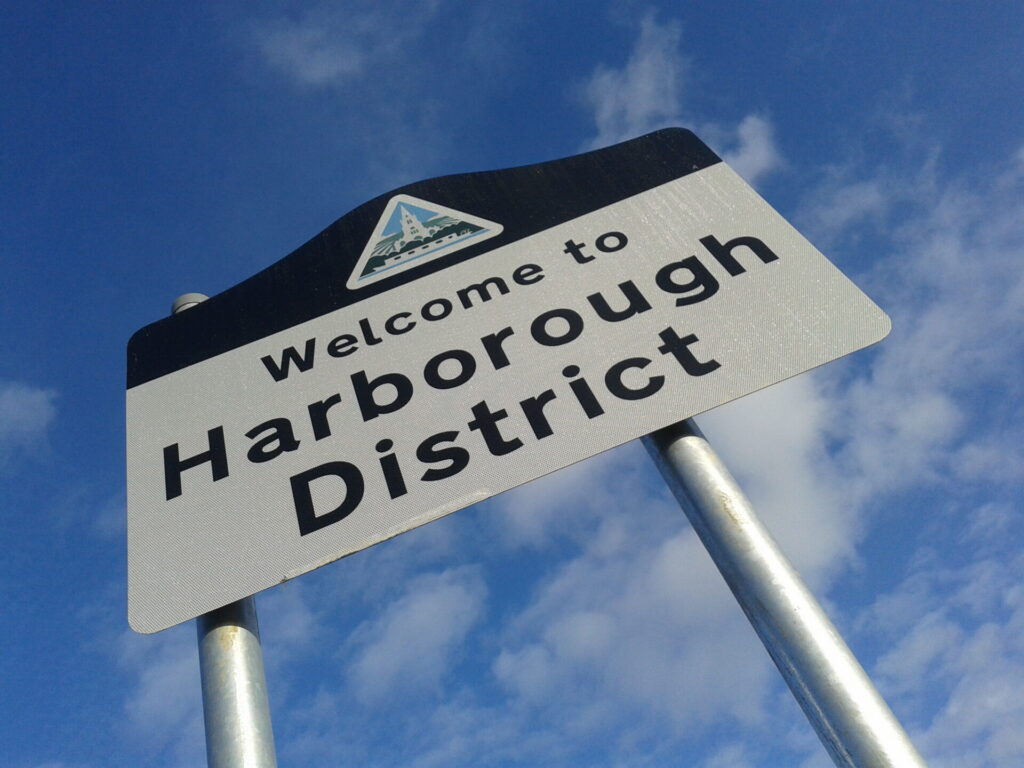
Harborough District Council worked with CfGS to strengthen its scrutiny function following significant political change and an LGA Peer Review recommendation. Through training and development sessions on scrutiny, questioning and work planning, CfGS helped members and officers build a more councillor-led, officer-supported approach to scrutiny and lay the foundations for ongoing improvement.
In this case study, Ella Newman, Democratic Services Manager and Deputy Monitoring Officer, discusses the changes Harborough has made to its scrutiny arrangements, the challenges encountered and the lessons learned along the way.
Background and context
When I joined Harborough District Council in 2023, scrutiny was functioning well and adding value to reports brought before members. However, there was an opportunity for the team to work together to strengthen the role further by giving councillors greater ownership of the work programme and more influence over what scrutiny examined.
Harborough is a relatively small district council with 34 councillors covering a large rural area. Following the 2023 elections, the council experienced a significant political shift, with a coalition administration replacing 16 years of Conservative leadership. At the same time, discussions were beginning about whether scrutiny arrangements were providing the best possible opportunities for councillors to lead and influence decision-making.
At that point, scrutiny was largely officer-supported through a process in which officers determined much of the forward programme and timing of reports. Scrutiny regularly considered reports and provided comments, but members had limited opportunities to shape the agenda themselves or build their own workplans. We felt there was an opportunity to raise the profile of scrutiny and create a more councillor-led approach.
Following an LGA Peer Review at the end of 2024, one of the recommendations was to strengthen scrutiny. We wanted to create a process where councillors identified the issues they wanted to examine, made recommendations and could clearly see the impact of their work.
Challenges and opportunities
The biggest challenge was culture change. While scrutiny was operating effectively, the process was largely driven by officers. We wanted councillors to feel genuine ownership of scrutiny and to have greater influence over what was reviewed and how recommendations were developed.
The timing brought additional challenges. Alongside significant political change following the 2023 elections, the LGA Peer Review highlighted opportunities to strengthen scrutiny and increase member ownership of the process.
One of the biggest tasks was bringing people with us on that journey. Councillors needed to feel confident shaping the scrutiny agenda rather than simply responding to reports placed before them. Officers also needed reassurance that stronger scrutiny would add value to decision-making rather than create unnecessary barriers. Similarly, there was an opportunity to help Cabinet members better understand the contribution scrutiny could make to policy development and service improvement.
Another challenge was deciding what a stronger scrutiny function should look like. I had the opportunity to share best practice with colleagues at Nottingham City Council, which was incredibly useful. It provided ideas about work planning, member engagement and scrutiny processes.
One of the biggest lessons, however, was that you cannot simply take another council’s scrutiny model and apply it wholesale. Nottingham is a large unitary authority, while Harborough is a much smaller district council with different resources, structures and capacity. The challenge was adapting ideas so they worked in our own context.
These challenges also created opportunities. We had the chance to raise the profile of scrutiny, strengthen links between scrutiny and Cabinet, increase member ownership of the work programme and move beyond a model where members primarily commented on reports towards one where they developed recommendations and could see how those recommendations influenced decision-making.
Most importantly, we had an opportunity to create a culture that was genuinely councillor-led and officer-supported, with scrutiny recognised as an important part of the council’s governance and decision-making arrangements.
Initiatives and actions taken
The biggest change was introducing member-led work planning.
Rather than officers deciding what scrutiny should look at, councillors were asked what they wanted to scrutinise, what issues mattered to residents and where they felt they could add value.
We also reviewed the way reports were presented to scrutiny. Previously, reports often came forward for noting or comment. We wanted members to focus on developing their own conclusions and recommendations based on the evidence they had considered.
Alongside this, we introduced a formal recommendations process. Scrutiny can now make recommendations directly to Cabinet and officers, and those recommendations receive a formal response that is reported back to members.
We also introduced a scrutiny survey based on the CfGS evaluation framework. This enabled members to assess how effective scrutiny was, how well it was working with the executive and whether it was achieving meaningful outcomes. The survey helped identify strengths and areas for further development.
- Other changes included:
- Annual scrutiny work planning sessions led by councillors.
- Reducing agendas to allow more focused discussions.
- Introducing scrutiny topic proposal forms so members can suggest issues throughout the year.
- Improving portfolio holder updates.
- Continuing member development through training on questioning, recommendations and work planning.
- Trialling and refining scrutiny processes, including removing arrangements that created confusion around pre-scrutiny reports.
Throughout the process, we have tried to keep things flexible. We have been clear with members that if something is not working, we can change it. The process should work for scrutiny, not the other way around.
Top tips
Read Ella's top tips for strengthening scrutiny by making it councillor-led
Secure buy-in from both the executive and scrutiny members from the beginning.
Help executive members understand the value scrutiny can add to decision-making and help scrutiny members understand the influence they can have when the process is working well.
Involve councillors in designing any changes rather than imposing a new process on them.
Invest time in supporting scrutiny chairs so they are confident leading discussions and developing recommendations.
Take ideas from elsewhere, but adapt them to your own context rather than trying to replicate another council’s model exactly.
Outcomes and impact
Although the changes are still relatively new, we have already started to see a shift.
The most significant change has been the confidence members now have in making recommendations. Previously, scrutiny was more likely to comment on reports. Now members are increasingly comfortable developing recommendations and seeing formal responses from Cabinet and officers.
That feedback loop has been particularly important. Even where scrutiny does not achieve its preferred outcome, members know their views have been considered and responded to.
We have also seen scrutiny become more proactive in identifying issues for review. One example is work around registered providers of social housing. Members requested a report exploring how providers operate in the district and are now looking at bringing providers directly into scrutiny meetings so councillors can question them about customer service and performance.
Another strong example came through budget scrutiny. Members made recommendations relating to flooding and the creation of a flooding fund. Those recommendations were considered through the council’s decision-making process, providing a clear example of scrutiny influencing outcomes and demonstrating the value of the new approach.
More broadly, scrutiny is beginning to be viewed differently across the organisation. Members are investing more time in it, scrutiny chairs are taking a stronger leadership role and there is growing recognition of the value scrutiny can bring.
Future directions
We are still at the beginning of this journey and the process continues to evolve.
Our focus now is on building on the momentum we have created. We want scrutiny to make greater use of external witnesses, task and finish groups and other forms of evidence gathering. We also want to continue embedding the scrutiny topic proposal process so members can influence the work programme throughout the year.
Like many councils, we are also preparing for local government reorganisation. While that brings uncertainty, it also presents an opportunity. Different councils will bring different approaches to scrutiny, and there may be opportunities to combine the best elements of each.
As I joked during our discussions, perhaps we will end up with a “scrutiny smoothie” – a blend of different ideas and experiences that creates something even stronger.
What we have achieved so far feels like a positive start. There is still plenty to improve, but we have begun shifting scrutiny towards a genuinely councillor-led, officer-supported model, and that is a journey worth continuing.
NOTE
At CfGS, we support local government improvement by working closely with councils to highlight the great work being done. Within this support, we produce case studies to share the lessons learned from these projects, helping other authorities benefit from the insights gained. These case studies are a collaborative effort between CfGS and the councils involved, and while they provide valuable perspectives, they are not formal evaluations of the work’s impact. Instead, they aim to inspire and inform other authorities with real examples of progress that can have a wider impact across the sector.
 All case studies