


Introduction
This case study describes how the London Borough of Tower Hamlets developed a Members’ Pledge in 2025/6 in partnership with CfGS and with the financial support of the LGA. The Pledge was one of a number of measures taken to strengthen the Council’s political culture following a Best Value Inspection in 2024 which raised concerns of a ‘toxic’ political culture.
The case study aims to support other local authorities considering how a Member Pledge could contribute to wider improvement work, particularly in contexts where political culture, relationships, behaviour, trust and ways of working have been identified as areas for development.
Background and context
In 2024, the Council was subject to a Best Value Inspection. The inspection report identified inter alia significant concerns relating to leadership and political culture, which it described as ‘toxic’. The Council was subject to Ministerial intervention from January 2025 with the appointment of three MHCLG envoys.
The Council recognised that these concerns reflected long-standing challenges in political culture and relationships, while also recognising the importance of creating space for improvement, reflection and shared ownership of change.
The work also took place during a period of significant political transition, including all-out elections in 2026 and substantial turnover in elected membership.
Early in their tenure, the envoys informed the Council that they had held discussions with our elected members and a significant number of them (spanning representatives of all groups and unaligned/independents) had told them they were deeply unhappy with the fractious and hostile political culture that they felt was an ingrained and long-standing aspect of Tower Hamlets politics.
Members described a political environment where historic disagreements and personal tensions could continue to shape current discussions and relationships, sometimes making constructive dialogue and decision-making more difficult.
While the Council had a strong standards framework including a Code of Conduct and a Member-Officer Protocol, the envoys felt that they were not sufficiently securing the high standards of conduct needed to enable effective democratic leadership. The Member Pledge idea was taken forward by the Council as a complementary tool to the existing framework; one that would allow Members to set a local behavioural standard that would more closely reflect their experiences and concerns.
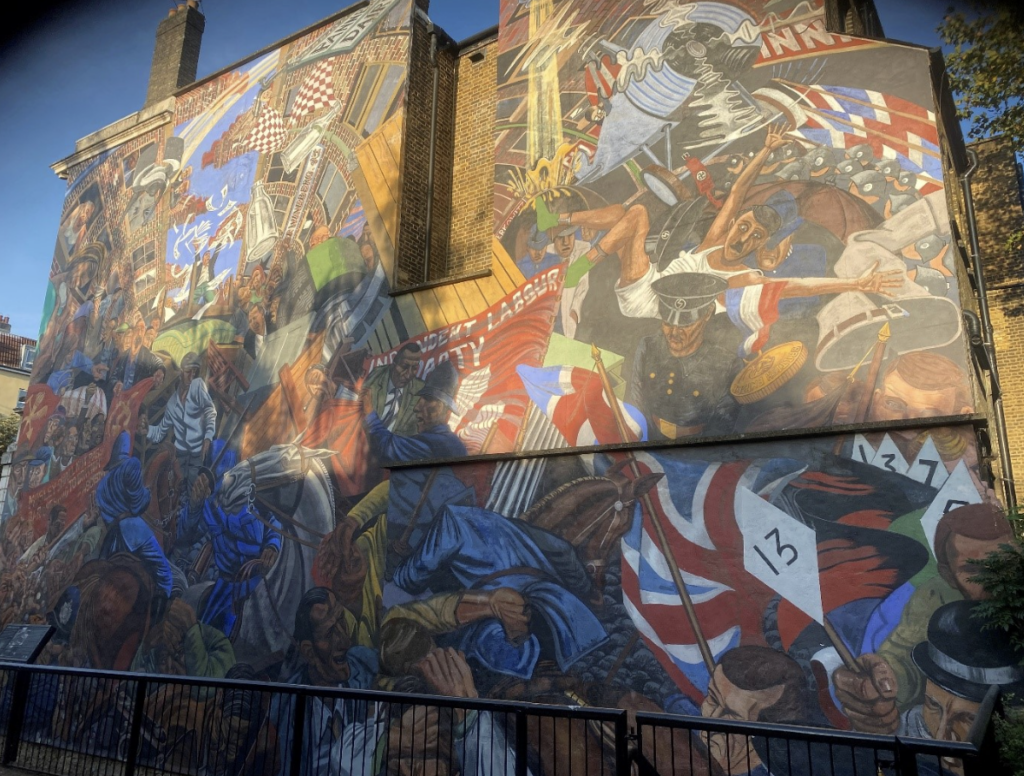
Figure 1 Cable Street Mural. Copyright: Robert Brownell
Challenges and opportunities
Developing a Member Pledge in the context of a Best Value Inspection and statutory intervention presented particular challenges but also an opportunity for creating a foundation for improvement and shift in political culture.
There was a need to ensure the Pledge was:
- Credible and Member‑led rather than officer‑imposed.
- Clearly distinct from the code of conduct and its formal complaint processes.
- Sensitive to political difference and the realities of democratic challenge.
- Clearly and unambiguously endorsed by senior political and officer leaders, including the directly elected Mayor.
The Council was also conscious that political disagreement is a normal and important part of democratic life, and that the aim was not to remove challenge or robust debate, but to support more constructive ways of working.
Addressing frustration and unpredictability
The Council also needed to acknowledge wider frustrations expressed by Members, including inconsistent support, misunderstanding of the councillor role, and low levels of trust between Members and officers. We needed to establish a shared understanding of ownership for political culture. For example, some Members told us they felt it was the duty of officers to intervene when behaviour in formal meetings is unacceptable; a view not supported by the statutory provisions applicable to local authority meetings.
Members also described frustration with the backward-looking and sometimes personalised nature of political discourse, where historic grievances could re-emerge across unrelated discussions and meetings.
The Council recognised that political discourse was having an impact on staff morale, confidence and the wider working environment
Collaborative reset
At the same time, the improvement context created a significant opportunity to reset expectations collaboratively, demonstrate cross‑party leadership on political culture, and anchor improvement efforts in a shared behavioural standard designed by Members themselves.
The work also created an opportunity to establish a more consistent and supportive approach to member induction, expectations, standards and relationships across the organisation.
Figure 2 Art Pavillion Pond. Copyright: John White
Initiatives and actions taken
The development of the Member Pledge took place over 2025/26 and was underpinned by extensive and sustained Member engagement supported by CfGS.
The Pledge formed part of a broader programme of organisational improvement work focused on political culture, member support, governance and leadership behaviours.
This included:
- Cross‑party steering group discussions involving political group representatives
- Facilitated discussions with political groups and individual Members
- Two facilitated workshops with councillors in September 2025, attended by Members from all political groups
- Ongoing political support from the LGA.
Alongside the Pledge, the Council also reviewed induction arrangements, member support processes, officer training and expectations around communication and standards in public life.
Workshop purpose
The workshops created structured space for open and detailed discussion about behaviours, relationships and ways of working. All Members were invited to attend and just over half of our Members, from all political groups, attended either one, or both workshops. Discussions were facilitated by the CfGS, not by Council officers.
Members were explicit that they wanted to improve political culture in a way that was anchored in purpose, trust and public service, and to introduce a standard that allowed for robust debate, without hostility or intimidation.
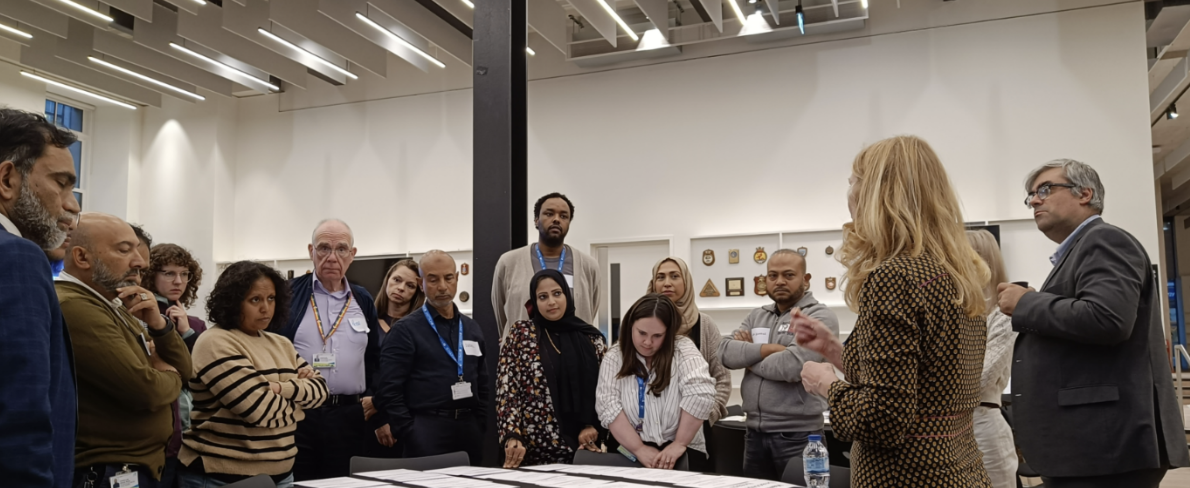
Figure 3 Participants at CfGS workshop, Summer 2025
Honest conversations
The workshops also created space for honest and sometimes difficult conversations about trust, frustration, historic tensions and members’ lived experience of the Council’s political culture. A number of members described feeling that aspects of the culture had become normalised over time, while others spoke about the personal impact that hostile behaviour could have on participation and inclusion.
Engagement journey
These sessions directly crafted the Pledge’s seven six themes; drafted an early iteration of the Pledge; and decided on the name: the Members’ Pledge. The process was designed to ensure that the language and themes reflected members’ own priorities and experiences rather than a purely corporate or officer-led approach.
The themes of the Members’ Pledge
- Respect and inclusion
- Listening and working together
- Aspirational and future focused
- Resident first leadership
- Transparency and accountability
- Civility in political debate
Further Member engagement took place through all‑Member briefing/engagement sessions and regular reporting to the Council’s Standards Advisory Committee. The Council also began embedding the principles of the Pledge into wider governance and improvement activity, including member induction and training materials focused on standards in public life and political leadership.
In late 2025, political groups requested additional time to consider the draft Pledge. The opposition group expressed concerns that some parts of the Pledge could be used to stifle legitimate democratic challenge, which resulted in some mutually agreed minor modifications to the original text.
Once a clear draft was in place, the Council’s two main political group leaders were again consulted. Both confirmed they were content with the wording and supported the proposal to publish the Pledge, providing an important point of collective endorsement.
The Members’ Pledge has a partner document in the form of a process to explore and discuss concerns of any behaviour that is felt to have missed the mark or be outside the spirit of the Pledge. A process was drafted by the Council in consultation with CfGS and was supported by Members as an appropriate balance between ownership, support and independence. We have yet to formally launch/test this process.
Given the proximity to the 2026 elections Members agreed to a soft‑launch in March 2026, with a stronger reaffirmation planned for the new Member cohort. The Pledge included a joint foreword from the Mayor (as leader of the majority group) and the Leader of the Opposition. As of July 2026, all Members have signed the Members’ Pledge.
Figure 4 Whitechapel Gallery. Copyright: Marc Acton Fillian
Outcomes and impact
The Council recognises that cultural change is gradual and that it is too early to draw firm conclusions about long-term behavioural change, particularly following significant turnover in elected membership after the 2026 elections.
The Member Pledge has provided a clear, shared behavioural standard at a critical point in the Council’s improvement journey. It has helped to:
Establish common expectations for behaviour and ways of working
Support early, informal conversations where issues arise
Reinforce collective responsibility for political culture and debate.
The work has also strengthened organisational focus on standards in public life, member support, induction and leadership accountability.
Members have described the Pledge as an important step towards addressing persistent hostility and unpleasantness in local politics, and as a visible signal of intent to work differently. Members increasingly recognised that expectations around civility, respect and behaviour were a shared responsibility across the organisation. Importantly, the Pledge has also helped surface wider conversations about Member support, officer understanding, and leadership responsibility for culture. The work also encouraged more consistent engagement between members and senior officers, and contributed to wider conversations about how the organisation supports democratic leadership during periods of political change.
While the Pledge is not a regulatory tool, its development through extensive engagement and cross‑party support has strengthened its legitimacy and usefulness.
The Council has also observed encouraging signs of improvement in areas such as scrutiny culture, meeting conduct and members’ awareness of behavioural expectations, although these changes sit alongside wider improvement activity across the authority.
Members also valued the opportunity, provided by the workshops, to engage in constructive dialogue with their peers away from the public glare. One of the outcomes of the Pledge was for more of these opportunities.
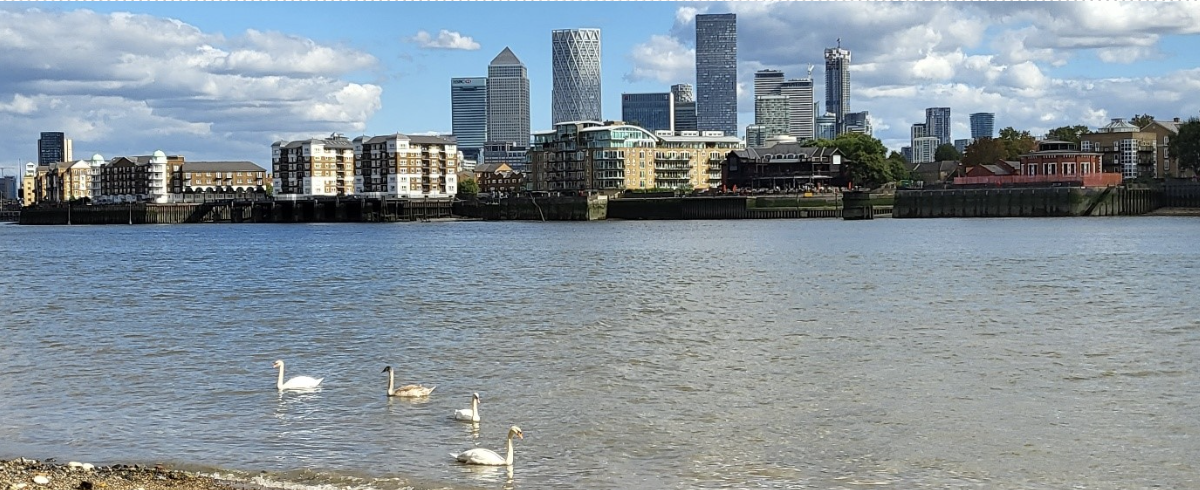
Figure 5 Wapping Beach. Copyright: Mark Penn
Top tips
Behaviour standards are most effective when Members lead their development. We worked hard to avoid creating the impression that officers were instructing Members in how to behave.
Political culture is shaped by wider organisational behaviours and relationships, not only by formal standards processes.
Workshops and facilitated sessions can build trust and insight when they are well-managed.
Structured conversations, reflection and consistent engagement are important in creating the conditions for improvement.
Periods of significant political change require organisations to be thoughtful, consistent and self-aware in how relationships with elected members are established and supported.
Changes in political leadership can affect confidence, relationships and ways of working for both incoming and outgoing Members. Managing those transitions sensitively can help reduce tension and support constructive working relationships.
A Pledge should complement, not replicate, statutory processes.
Where possible, concerns should be addressed through reflection and constructive conversation rather than relying solely on formal or punitive approaches.
Many stakeholders sought to amend the wording our Members had drafted, for good reasons. It is okay (and possibly even important) that the Pledge isn’t strictly in the ‘corporate style’. It is important that members can recognise their own experiences, concerns and language within the final product.
Endorsement matters. Periods of political transition require particular care, consistency and active listening from organisations supporting elected members.
Elections and political cycles must shape deployment.
Early engagement can help build momentum and shared ownership over time.
Lessons learned
A key lesson was that behaviour cannot be separated from Member experience. Listening to Members’ frustrations about pressure, support and relationships helped ensure the Pledge addressed root causes rather than symptoms. It also helped to dispel suspicions that the process was superficial.
The Council recognised that concerns about behaviour were often closely linked to wider questions about trust, communication, fairness, support and confidence in organisational processes.
Another learning point was the value of cross‑party design. Getting genuine dialogue between Members from different political groups created a sense of shared ownership and helped identify common ground, even in a challenging political environment.
Creating structured opportunities for members to speak openly outside formal meetings was an important part of building understanding and establishing common expectations.
We also found that, despite messaging from officers and the MHCLG envoys, political differences and mistrust remained a constant feature of our work. We found we had to compromise more than we had hoped and some of our ambitions, for example, joint endorsement/welcoming of the Pledge at a public Council meeting, were unrealistic. The Council learned that cultural improvement work requires realism, patience and compromise, particularly in politically complex environments shaped by long-standing tensions and organisational history. We also had to guard against the Pledge or the process being weaponised by one group against another. This was made harder still by the existence of a fragmented group structure and a significant number of unaligned Members. The Council also recognised the importance of ensuring that improvement activity was not perceived as favouring particular political perspectives or limiting legitimate democratic challenge.
Finally, the Council recognised that cultural change requires sustained reinforcement. A Pledge is most effective when treated as a living commitment, supported by leadership behaviour and ongoing dialogue. This will be the key challenge for the future. Embedding expectations through induction, leadership behaviours, member support and ongoing dialogue will remain essential to sustaining progress over time.
Future directions
Following the 2026 elections, the Member Pledge is being embedded within our refreshed Member induction programme, including dedicated sessions on political culture and working in intervention. The refreshed induction programme places greater emphasis on standards in public life, expectations around leadership behaviour and building constructive working relationships across the organisation.
Newly elected Members have now signed the Pledge and a full Council discussion was held in July 2026. The Council is also seeking to ensure that conversations about political culture and member experience continue beyond induction and remain part of ongoing governance and improvement work.
There are also plans for a structured review later in 2026, allowing the new cohort to reflect on and, if necessary, refine the Pledge while protecting its core principles. This reflects the intention that the Pledge should remain a living and member-owned framework, capable of evolving alongside the Council’s wider improvement journey.
Annual reaffirmation (likely at each Council AGM) is planned to support long‑term sustainability and continued ownership. The Council is also exploring proportionate and member-led approaches for responding to concerns where behaviour is felt to fall short of the spirit of the Pledge, with an emphasis on reflection, dialogue and early resolution wherever possible.
NOTE
At CfGS, we support local government improvement by working closely with councils to highlight the great work being done, including case studies of recent improvement activity funded by Government as part of LGA’s Sector Support Improvement Programme. Within this support, we produce case studies to share the lessons learned from these projects, helping other authorities benefit from the insights gained.
These case studies are a collaborative effort between CfGS and the councils involved, and while they provide valuable perspectives, they are not formal evaluations of the work’s impact. Instead, they aim to inspire and inform other authorities with real examples of progress that can have a wider impact across the sector.
 All case studies